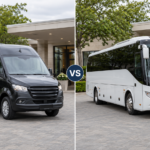
For groups of up to 14 with light luggage, a Sprinter van is the practical, efficient choice. Once you exceed 14 passengers, carry significant gear, or need to run continuous shuttle loops, a mini coach becomes the better fit — and usually the cheaper option per head. This guide is for corporate coordinators, event planners, and anyone organizing group travel in Toronto and the GTA who wants to get the vehicle right before booking day.
Key Takeaways
- Sprinter vans seat up to 14 passengers; mini coaches seat 20 to 28
- Sprinter vans are built for city manoeuvrability, short transfers, and small groups
- Mini coaches offer more luggage space, a walk-through aisle, and a smoother highway ride
- Booking two Sprinter vans instead of one mini coach almost always costs more per passenger once driver labour and fixed fees are counted
- At 14 passengers, you have reached the Sprinter’s practical limit — groups larger than that need a different vehicle
What Separates a Sprinter Van from a Mini Coach
The choice comes down to three factors: physical capacity, passenger comfort, and how the vehicle operates in different environments.
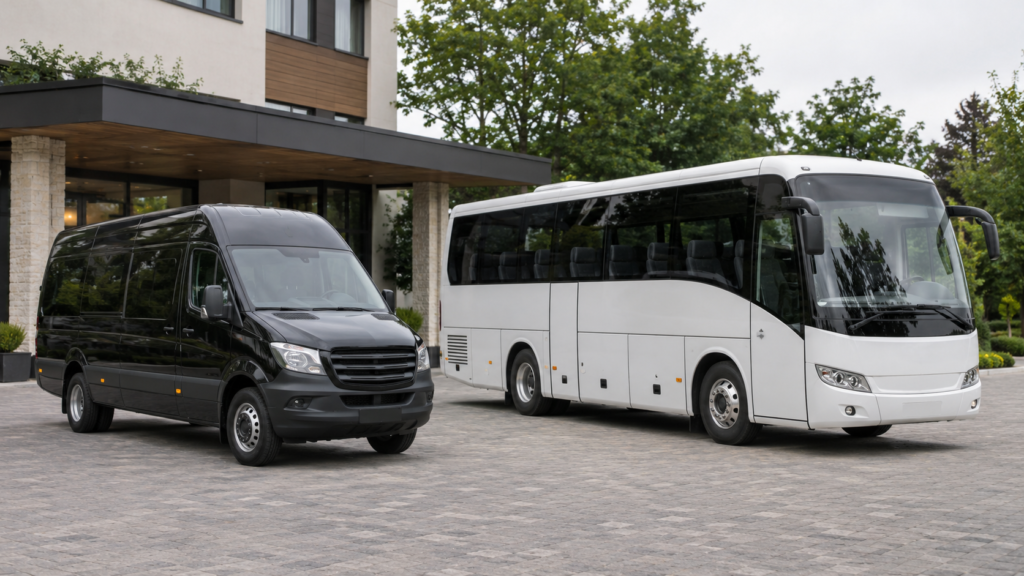
A Mercedes Sprinter is a high-roof passenger van with seating for up to 14. It runs on a standard commercial van chassis, which gives it a compact footprint — it moves through narrow streets without difficulty and parks at hotel drop-off lanes without disrupting traffic. High-roof Sprinter models typically stand around 2.7 metres tall, so always confirm clearance before planning an underground or parkade pickup. Inside, the cabin is compact and intimate. Passengers sit close together, conversation is easy, and the experience is closer to a premium executive transfer than a group shuttle.
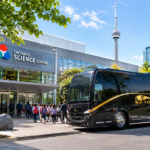
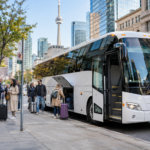
A mini coach operates on a bus chassis. It seats 20 to 28 passengers, with a walk-through aisle and high enough headroom for passengers to stand and move around the cabin. On the highway, the heavier chassis delivers a noticeably smoother and quieter ride. The trade-off is size: a mini coach requires more planning when navigating downtown Toronto, and it will not fit in a standard parking garage.
You can review both vehicles on the mini bus rental page.
Seating Capacity and Group Size: Where Each Vehicle Fits
Sprinter vans fit 8 to 14 passengers. Mini coaches seat 20 to 28. Groups in the 15-to-19 range fall between these two vehicles — that is where an executive minibus (18 to 24 seats) is often the right fit.
Sprinter Van Passenger Capacity
At Top Bus, a Sprinter van holds up to 14 passengers. At full capacity, the rear cargo area handles modest luggage. Carry-on bags are manageable; a full load of checked-size suitcases will exceed the available space. For small groups with light luggage, the Sprinter is clean and efficient. For groups near the upper limit of 14 who also have significant gear, a larger vehicle is the correct choice regardless of headcount — luggage that creates a safety hazard cannot be left to chance on event day.
Mini Coach Passenger Capacity and Storage Space
A mini coach at Top Bus seats 20 to 28 passengers. The capacity difference between the two vehicles goes beyond seat count. A mini coach has more room for luggage than a Sprinter, and the layout can accommodate sports bags, strollers, and mobility equipment more easily. For groups carrying heavy gear — a sports team, a production crew, a large wedding party — a mini coach handles what a Sprinter cannot.
The Ride Experience: What Passengers Notice
The ergonomic difference between a Sprinter and a mini coach matters most for senior travellers or anyone with mobility limitations.
Boarding a high-top Sprinter requires a step up into the vehicle body. Once inside, headroom is generous. The step in and out calls for steady footing — something worth noting when booking for older guests or anyone with knee or hip limitations.
A mini coach has a proper set of entry stairs and a defined aisle. The boarding sequence is more structured and sequential, which passengers who find a single large step difficult tend to manage more easily. On the highway, the heavier coach chassis absorbs road vibration significantly better than a van. On trips longer than an hour, that difference in ride quality becomes noticeable.
Mini coaches are designed for longer distances and tend to offer more cabin space and legroom than a Sprinter. Sprinter vans can be configured with leather seats and climate control for a premium feel on shorter runs, but the cabin is inherently more compact.
Which Vehicle Fits Each Trip Type
Airport Transfers and Executive Travel
For airport transfers involving a small group — a corporate leadership team, VIP wedding guests, or a family arriving together — a Sprinter is the right vehicle. A Sprinter from Pearson International Airport to downtown Toronto starts from $400. It moves efficiently in airport traffic and handles the transfer without the logistical overhead of a larger vehicle. A mini coach deployed for a group of 10 at an airport transfer introduces planning complications that a Sprinter resolves without issue.
Corporate Events and Shuttle Loops
For mid-sized corporate events with 20 to 28 employees, a mini coach consolidates the group into one vehicle with one driver and one confirmed schedule. For events with continuous shuttle loops between a hotel and a venue, a mini coach moves more passengers per trip than a Sprinter. That directly reduces the total hours required — and total hours are what drive the final invoice. See corporate mini bus rental for a closer look at why this matters for corporate groups.
Day Trips and Organized Group Travel
For longer routes — a Niagara Falls day trip, a company outing, a regional tour — a mini coach is the better-suited vehicle. The heavier chassis delivers a smoother highway ride. Passengers have the aisle and the storage space for the full duration of the trip. A Sprinter is built for short city transfers; it is not the right vehicle for a four-hour round trip with 20 passengers. For more on how mini coaches handle extended routes, see long-distance mini bus trips.
Weddings and Special Events
For a small bridal party or VIP transfer between ceremony and reception, a Sprinter delivers an intimate feel with a premium finish. For moving 20 or more wedding guests from a hotel block to a venue, a mini coach completes the job in one trip rather than requiring multiple loops with a smaller vehicle.
Fuel Efficiency and the True Cost of Group Travel
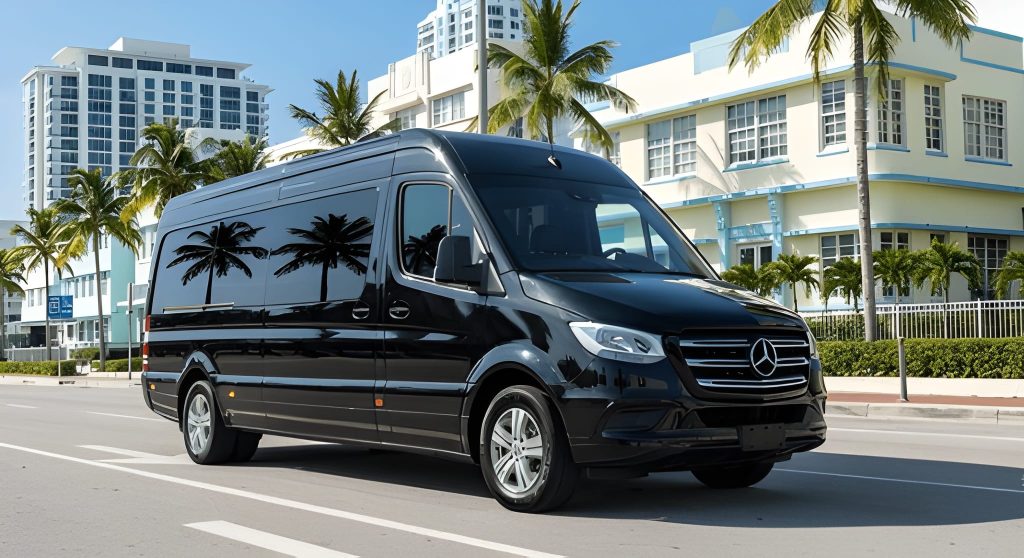
A Sprinter van is more fuel-efficient than a mini coach on a per-vehicle basis. Lighter chassis, smaller fuel load, lower operational cost per kilometre. For a group of 12 with no equipment, a Sprinter will have a lower total cost than a mini coach.
That comparison shifts once group size pushes toward multiple vehicles.
The Multiple-Vehicle Trap
Two Sprinter vans booked together cost more than one mini coach in nearly every scenario. The reason is driver labour, which is usually the single largest component of any charter quote. Two Sprinters means two professional drivers, double the fuel, double any parking or terminal access fees, and two gratuities on the invoice. None of those costs appear on a line item when comparing vehicle rates side by side.
For groups of 20 to 28 passengers, a single mini coach consolidates those costs into one vehicle and one driver. The per-passenger cost is typically lower than splitting the same group across two Sprinters.
For a direct comparison of what a minibus offers versus a standard van rental, see mini bus vs van.
Three guidelines for groups making the decision on budget:
- Calculate cost per passenger, not the total invoice. A mini coach carrying 25 people at a higher rate is often the cheaper option per head than two Sprinters.
- Do not book at the capacity limit to save on an upgrade. A Sprinter at full load with luggage that creates a safety hazard is unsafe to operate. Sourcing a replacement vehicle on the day of an event costs significantly more than booking the correct vehicle in advance.
- Account for shuttle loop hours. A Sprinter making two runs to move the same number of passengers a mini coach moves in one adds billable hours to the booking — and more hours will always outweigh a lower hourly rate.
Frequently Asked Questions
Sprinter Van vs Mini Coach: What Is the Main Difference?
The main difference is passenger capacity and how each vehicle performs in different conditions. A Sprinter van seats up to 14 and is built for urban manoeuvrability, short transfers, and small groups. A mini coach seats 20 to 28, with more luggage space, a walk-through aisle, and the structure for longer hauls and continuous shuttle loops. For groups of 14 or fewer with light luggage, a Sprinter is efficient. For groups of 20 or more, or with significant gear, a mini coach is the right vehicle.
How Does Seating Capacity Determine the Right Vehicle?
Passenger capacity is the starting point for every group travel decision. Sprinter vans hold up to 14; mini coaches seat 20 to 28. Groups near the Sprinter’s upper limit who also carry significant luggage should move to a larger vehicle regardless of headcount — a vehicle that cannot safely accommodate all luggage and passengers is not a viable option, and arranging a second vehicle on event day costs far more than upgrading in advance.
Are Sprinter Vans a Good Choice for Airport Transfers?
Yes, for small groups. Sprinter vans handle airport transfers efficiently — terminal drop-off lanes, tight traffic, and parking all suit the Sprinter’s compact footprint. A Sprinter from Pearson to downtown Toronto starts from $400. For groups of 20 or more arriving at Pearson International Airport, a mini coach moves everyone in one run rather than requiring multiple trips. For executive and VIP transfers in groups of 14 or fewer, a Sprinter is the stronger choice.
How Does Group Size Affect Fuel Efficiency and Total Cost?
A Sprinter costs less to fuel per trip than a mini coach. But for groups that require two Sprinters, fuel costs double alongside driver labour and fixed fees. For groups of 20 to 28 passengers, a single mini coach is almost always the more economical option once costs are calculated per passenger rather than per vehicle.
What Makes a Mini Coach Better for Long-Distance Group Travel?
Mini coaches are built for distance. The heavier chassis absorbs highway vibration more effectively than a van, producing a smoother ride on longer routes. Passengers have more space and storage for the full duration. For organized group travel on routes over an hour — or day trips to destinations like Niagara Falls — a mini coach provides the right combination of space, comfort, and capacity that a Sprinter cannot match at that scale.
Ready to book the right vehicle for your group? Contact Top Bus at topbus.ca or call 289-402-5287. Share your group size, travel date, and destination — we’ll confirm the right vehicle and provide a clear, itemized quote.